
Forklift Truck Inspections Across the UK
Lift Truck Inspections
If a truck’s report of thorough examination has run out, or you have taken on a fleet with no paperwork behind it, the machine should not be lifting. Send us your list of trucks and attachments with the site address and we aim to come back with a quote within 48 hours.


Get Your FREE Forklift Inspection Quote
Send us the details below and we will come straight back to you.
Forklift Truck Inspections Across the UK
Lift Truck Inspections
Report of thorough examination lapsed, or renewals slipping? Send your truck list and site address and we aim to quote within 48 hours.


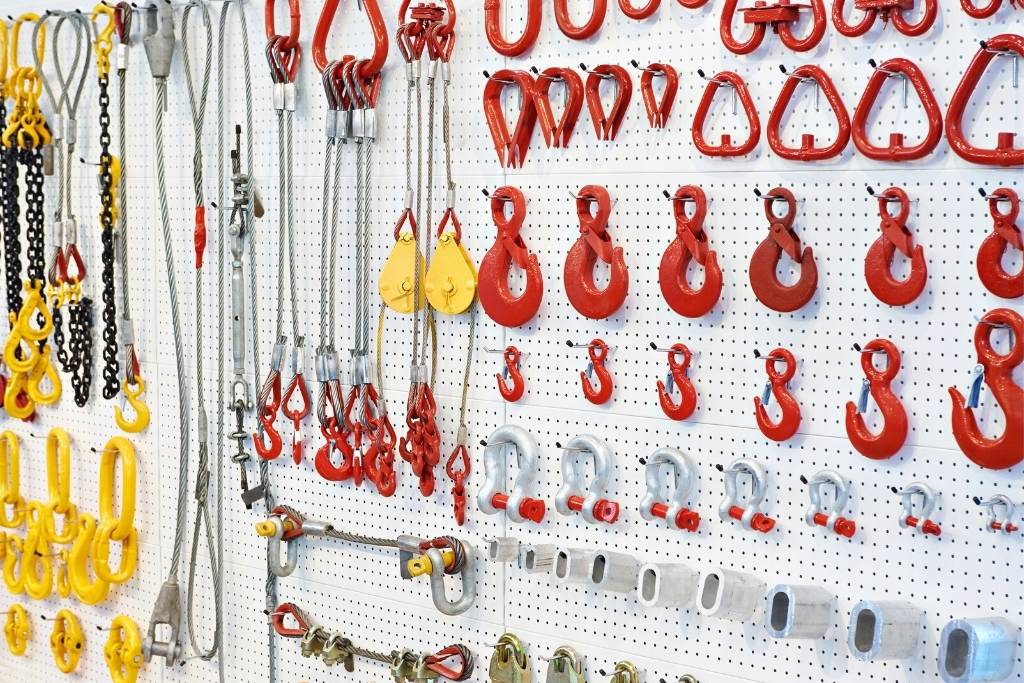
When Your Report Of Thorough Examination Runs Out
A lift truck with an out-of-date report should not be carrying loads, and in most warehouses the discovery is made by an auditor rather than by the fleet list. If that is where you are this week, the fastest route back to compliance is a competent person on site and a report issued against your actual machines.
Enquiries about lift trucks tend to arrive from one of four places. A report has expired and nobody noticed until an insurer, a customer audit or an HSE visit asked to see it. The provider who used to handle the trucks has been acquired, changed its scheduling, or simply stopped replying. A site has changed hands and the incoming team has no idea what was examined or when. Or a truck is about to go out on hire, and HSE expects you to be able to produce a written copy of the examination record when equipment leaves your undertaking, whether that is on hire, in use elsewhere, or sold second-hand.
Whichever of those describes your week, the practical answer is the same. Get a competent person to the trucks, get a report against each machine, and put the renewal date somewhere it will be seen before it passes.
A Service Is Not A Thorough Examination
Three Different Checks, And Only One Of Them Is Statutory
The most common reason a truck ends up running without valid cover is that somebody assumed the maintenance visit had dealt with it. Three separate things happen to a working lift truck, and they are not alternatives to one another.
The pre-use check is the operator’s own walk round at the start of the shift. Forks, chains, tyres, brakes, horn, lights, mast operation, any obvious damage. It is recorded, it matters, and it is not a thorough examination.
The service is the maintenance visit at the manufacturer’s intervals. It keeps the truck working and it goes to your duty to maintain work equipment, but a service engineer signing off a job sheet has not discharged your duty under LOLER.
The thorough examination is the statutory one. Regulation 9 of the Lifting Operations and Lifting Equipment Regulations 1998 requires a competent person to examine the equipment systematically at set intervals and issue a written report. HSE states the position plainly: an inspection carried out as part of a preventive maintenance scheme or a scheduled service is not a thorough examination.
A truck can be freshly serviced and still be running illegally. Completing one of the three does nothing to discharge the duty to do the others, which is why we deal only in the statutory examination and leave the servicing to whoever you already use.
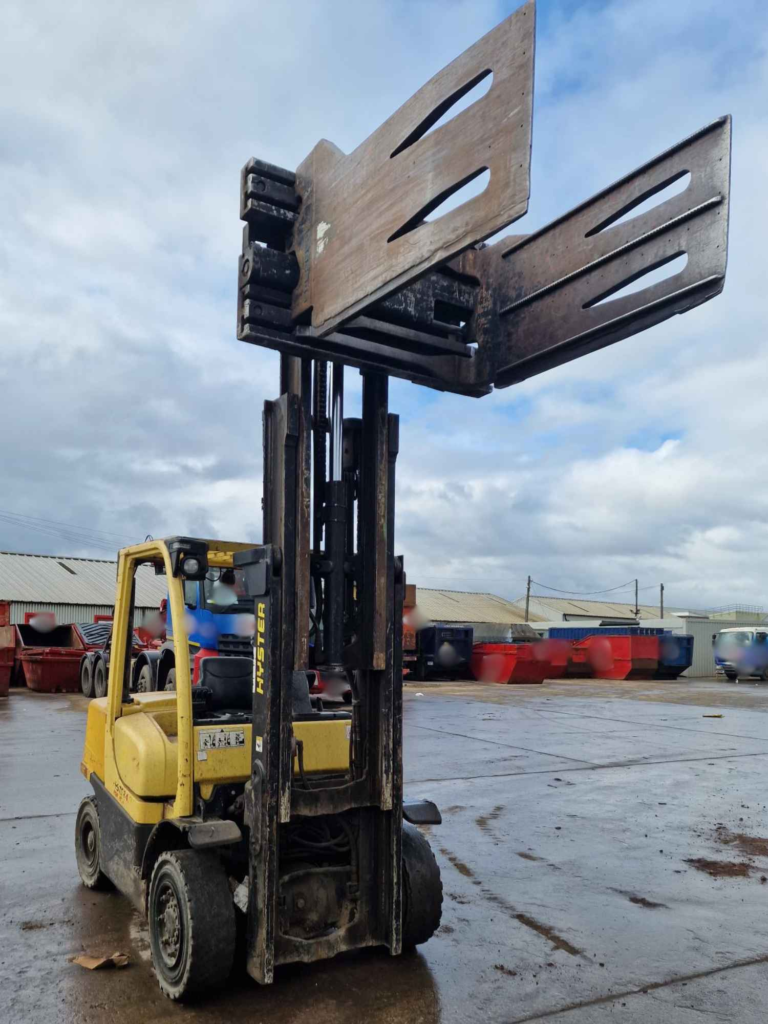
Trucks And Handling Equipment We Examine
Counterbalance trucks make up the bulk of most fleets, but they are rarely all of it. If a machine lifts a load, Regulation 9 catches it, and that takes in a fair amount of equipment sitting quietly at the back of a yard.
On each truck, the thorough examination covers the lifting side that LOLER puts on the report: mast channels and rollers, lift and tilt rams, hydraulic hoses and fittings, chains and their anchor pins, forks and heel wear, the carriage, load backrest and overhead guard. Our engineers also go over the brakes, steering, tyres and operator restraint. Those parts sit under PUWER rather than LOLER, and a report covering half a machine is not much use to the person who has to act on it. Where you need work equipment looked at more broadly than the trucks, that runs through our PUWER assessments.
Counterbalance Trucks
- Diesel counterbalance trucks
- LPG and dual-fuel trucks
- Electric counterbalance trucks
- Container and heavy-duty handlers
Warehouse and Narrow Aisle
- Reach trucks
- Very narrow aisle (VNA) trucks
- Order pickers
- Powered stackers
Pedestrian and Low-Level
- Powered pallet trucks
- Pedestrian ride-on stackers
- High-lift pallet trucks
- Manual stacker trucks
Rough Terrain and Specialist
- Rough terrain forklifts
- Telescopic handlers
- Side loaders
- Multi-directional trucks
Attachments and Accessories
- Clamps and rotators
- Fork extensions and slippers
- Jibs and crane arms
- Slings, chains and shackles
Person-Lifting and Truck-Mounted
- Working platforms and man-cages
- Truck-mounted forklifts
- Drum and roll handlers
- Load-carrying attachments
If a machine on your site lifts a load and it is not named here, it very likely still falls under Regulation 9. We examine lift trucks across manufacturing, warehousing and distribution, food and drink production, engineering, construction, waste and recycling, agriculture, retail and healthcare, and the trucks look much the same in all of them.
GSB Inspections Reviews
Client Satisfaction
Well what a great service Gary provides, always does a very thorough job, can't recommend enough, we always Gary really great guy.

 Daz Griffiths
Great bloke, reliable, informative, pleasure to deal with.
Gary Jackson
Gary has been doing MPi ltd's lifting certifications, air compressor tank and roller shutter door inspections for a number of years now. I have always found him a pleasure to... read more deal with, he is reliable, honest and very knowledgeable, we will continue to use him for as long as possible. Great service Gary keep up the good work and best of luck in 2022
matt page
Inspected transferable winch units with, greatly appreciated, additional guidance covering separate requirements for accompanying D shackles and inspection schedule. Very diligent service and great value.
Andrew Piekarczyk
Service, communication, support and advice has been excellent, Garry has gone out of his way to support our school with issues arisen from council maintenance, he has gone out of... read more his way to contact external companies that can support us with air testing. He has juggled appointments to be able to get into our school quickly and worked around teachers and students to conduct the testing on all our machines. We will continue to use your company in the future- Because we have had great support from Garry!
Miss H Morrey
Excellent service & communications
Gary Jackson
My first contact was with Gary and he dealt with my query and questions brilliantly. He explained the process, it was easy to sort and it went smoothly. Expected contact... read more was then with Dean who contacted us when we were told he would. Dean was the inspector of our scissor lift and again a prompt excellent service. Great communication from both, friendly service and would highly recommend! Sam
Mrs B
Great service. Would highly recommend and will use again.
Jade Furey
Been using GSB for a year, great service keeping all our plant and machinery in certification
James Plant
Prompt and professional friendly service.
Apples & Pears Nursery
Gary has been doing our certifications for the last few years. Very professional and very reliable. A**
Rob Scanlan
Excellent service very competent knowledgeable and professional staff Would highly recommend
Carl Eades
Excellent service, very thorough and practical
Kerry Callear








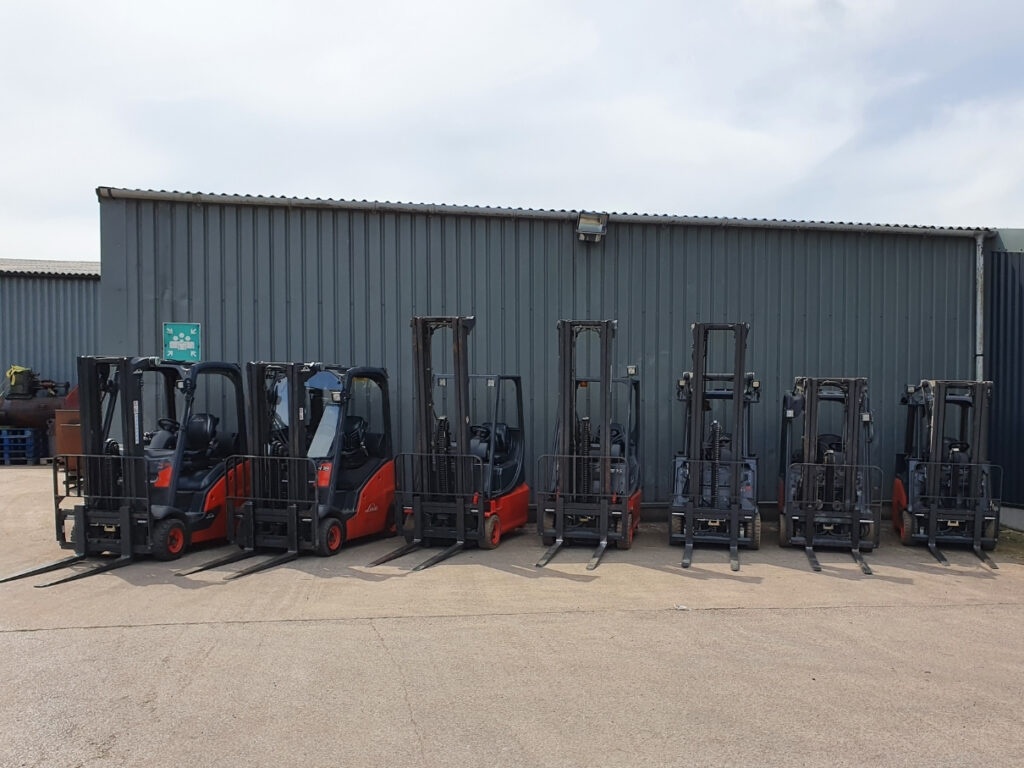
How Often Your Lift Trucks Need Examining
For a truck lifting goods, Regulation 9 sets twelve months as the longest you can leave it. Two situations pull that down to six months, and both catch operators out.
The first is people. A truck fitted with a working platform or man-cage is equipment used to lift persons for as long as it is used that way, and that puts it on a six-monthly cycle. The second is accessories. Slings, chains, shackles and similar lifting accessories are examined every six months in their own right, whatever they happen to be lifting.
Attachments sit between the two. Where an attachment is permanently fitted, it is examined with the truck at the truck’s interval. Attachments that come on and off through the week are separate items and need examining in their own right, at least every six months. Clamps, rotators, jibs and fork extensions are the ones most often missed, usually because nobody owns them on paper.
The intervals are maximums rather than targets. Where a truck works hard enough to justify it, multi-shift running, cold store, abrasive dust, heavy duty cycles, a competent person can draw up an examination scheme that sets shorter intervals for that machine. Two trigger events override the calendar entirely: before first use where the truck has been assembled or installed on site, and after any exceptional event such as an overload, a collision or a tip-over, before the truck goes back into service.
On The Day, And What We Need From You
Most visits are less disruptive than people expect, provided the trucks are actually available when our engineer arrives.
1
Trucks Available
Machines off the floor and out of the aisle, keys to hand, attachments laid out rather than in use. A truck stuck mid-shift is the single biggest cause of a return visit.
2
One Site Contact
One person who knows where every truck and attachment lives, roughly how hard each one works, and whether anything has taken a knock since the last examination.
3
The Examination
Each machine is examined systematically across its lifting components and safety-critical parts, with functional checks where the condition of the truck calls for them.
4
Defects Told Straight Away
Anything that takes a truck out of service is said to you on site, before our engineer leaves. It is not held back for the paperwork.
Our Commitment To Your Safety
We Are A Proud Associate Member Of The Safety Assessment Federation (SAFed)
As an associate member of the Safety Assessment Federation (SAFed), we work to the technical guidance SAFed publishes for the thorough examination of lifting equipment, alongside HSE’s Approved Code of Practice L113 and the guidance in L117 that deals specifically with rider-operated lift trucks. It commits us to examining against a published standard rather than an in-house checklist, and to keeping our competent persons current with it.
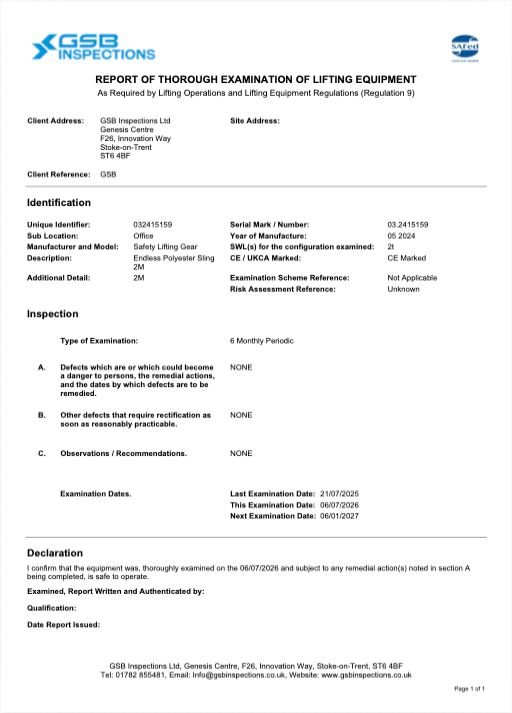
What Your Report Of Thorough Examination Contains
Strictly speaking there is no such thing as a LOLER certificate. The legal document is the report of thorough examination required by Regulation 10, and Schedule 1 of LOLER sets out what has to be in it. There is no prescribed form or layout, but every Schedule 1 item has to be there for the report to do its job.
Each report identifies the truck rather than describing it loosely. Make, model and serial number, so the report ties to one machine and not to a fleet. It records the safe working load, the date of the examination and the date the next one falls due, along with the name and details of the competent person who carried it out. Where a defect is found it is described plainly, with the timescale for putting it right.
One case carries a duty most buyers are unaware of. Where an examination identifies a defect that is or could become a danger to people, the competent person must tell you immediately, confirm it in the written report, and send a copy of that report to the relevant enforcing authority. That is a legal duty sitting on the examiner rather than a discretionary escalation, and it is the clearest argument there is for using someone with no commercial interest in what the repair ends up costing.
Reports arrive electronically, in a form you can hand straight to an insurer or an auditor without having to explain what it means.
Why Operators Move Their Forklift Examinations To Us
Almost everyone who contacts us is already having their trucks examined by somebody. What has usually broken down is responsiveness, or the realisation that the examiner and the repairer are the same firm.
We Sell Inspections, Nothing Else
No trucks, no parts, no attachments, no maintenance contracts. When our competent person writes up a defect there is no repair quote stapled to the back of it and nobody here earns a penny from the finding. That is the whole basis of an impartial examination.
Direct Contact, No Middleman
You are not routed through a call centre or handed between departments. Ring 01782 855481 or email and you reach one of the two directors, who own the business and are both senior engineers, and who can answer a technical question there and then.
SAFed Associate Membership
We are associate members of the Safety Assessment Federation, the trade association for the UK independent engineering inspection industry, and we examine lifting equipment to its published technical guidance.
We Work Around Your Operation
Trucks are easiest to examine when they are not working. Tell us what suits your operation, whether that is a shutdown week, an early start or several sites to cover, and we will tell you honestly what we can offer against our current schedule.
Reports An Auditor Can Read
Each report names the machine, records what was found and gives a clear timescale for anything needing attention. Nothing ambiguous for the person who has to act on it.
Our engineers act as competent persons under Regulation 9 of LOLER, with the practical and theoretical knowledge of lift trucks needed to spot defects and judge what they mean for continued use.
How To Book A Forklift Thorough Examination
No procurement portal and no qualification call. Three steps, and the first one takes about two minutes.
1
Send Your Truck List
Email info@gsbinspections.co.uk with the trucks and attachments you have, roughly how hard they work, and the site address. A photograph of the data plate helps if you are not sure what a machine is.
2
Receive A Quote
We aim to come back with a price within 48 hours. If a report has already lapsed, say so in the email, so we know where you stand when we discuss dates.
3
Confirm A Date
Tell us what works at your end, including early starts, shutdown weeks or multiple sites, and we will be straight with you about the dates we can offer.
Got Questions? (FAQs)
Twelve months is the longest interval for a truck lifting goods, under Regulation 9 of LOLER. It drops to six months where the truck is fitted with a working platform or man-cage, because it then counts as equipment used to lift people, and lifting accessories such as slings and chains are on a six-month cycle in their own right. A competent person can set shorter intervals through an examination scheme where a truck works hard enough to justify it.
No. HSE is explicit that an inspection carried out as part of a preventive maintenance scheme or a scheduled service is not a thorough examination. The service keeps the truck running. The thorough examination is a statutory check by a competent person that produces a written report under Regulation 10. A truck can be freshly serviced and still be running without valid cover.
A competent person, meaning someone with the practical and theoretical knowledge of lift trucks to detect defects and judge what they mean for continued safe use. The LOLER Approved Code of Practice also expects that person to be sufficiently independent and impartial to give an objective opinion, which is why the examiner should not be the same party that maintains or sells the equipment.
LOLER covers the lifting side of the truck: mast, chains, forks, hydraulics and carriage. PUWER covers the rest of the machine, including brakes, steering, tyres and the operator restraint. LOLER does not replace PUWER on a lift truck. It applies to the lifting parts, and PUWER continues to apply to everything else, which is why our engineers go over the whole machine rather than half of it.
The truck should be taken out of use until it has been examined. There is no grace period written into the regulations, and an expired report is one of the first things an auditor or an HSE inspector will pick up. Tell us at the enquiry stage that a report has lapsed, so we can be straight with you about the earliest date we can offer.
Attachments permanently fitted to a truck are examined with the truck, at the truck interval. Attachments that come on and off, such as clamps, rotators, jibs and fork extensions, are separate items and need thorough examination in their own right at least every six months. Slings, chains and shackles are lifting accessories and follow the same six-month cycle.
GSB Inspection Services
Forklift Inspection Service Areas
We examine lift trucks UK-wide. The counties below are where we are asked most often, and each covers the towns and cities within it, so if yours is not shown it is still worth asking, because we very likely cover it.
- West Midlands
- Warwickshire
- Leicestershire
- Nottinghamshire
- South Yorkshire
- Merseyside
- Conwy
Need A Forklift Thorough Examination?
No brokers, no call centre, straight through to the people who do the work.
Send your truck list below and we will come back with a quote. Mention any machine already running past its date.
info@gsbinspections.co.uk
Quick Reply
Have any questions?
01782 855481
Usual working hours
Mon-Fri, 8am until 4pm